
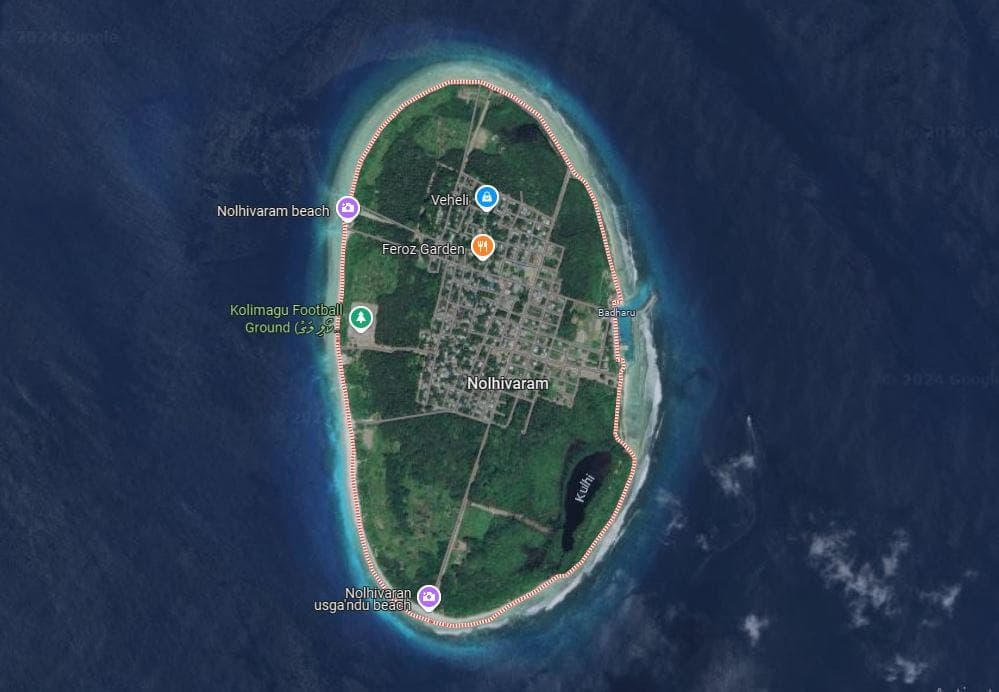
Island
Nolhivaram
Nolhivaram is an inhabited island in Haa Dhaalu Atoll, Maldives.
- Location type
- island
- Inhabited
- Yes
- Atoll
- Haa Dhaalu Atoll
Frequently Asked Questions
- How do I get to Nolhivaram Island?
- Due to the island's remote location in the northern atolls, direct public ferry services from Male are limited. Most guesthouses can arrange the complete transfer from Male, including the domestic flight and speedboat connection. When planning your journey, remember that weather conditions can occasionally affect flight schedules in this region, so it's advisable to allow buffer days in your travel plans. The journey to Nolhivaram is part of the adventure, offering beautiful aerial views of the Maldivian atolls during the flight and a chance to experience the stunning blue waters during the speedboat transfer.
- What makes Nolhivaram's lacquerware traditions unique in the Maldives?
- Nolhivaram's lacquerware traditions stand out in the Maldives because the island has preserved comprehensive knowledge of traditional lacquerwork (liyelaa jehun) that combines artistic expression with functional craftsmanship. The island is particularly known for its expertise in creating vibrant, multi-layered lacquer finishes that feature distinctive color combinations and intricate patterns, demonstrating exceptional control over this challenging medium. Nolhivaram artisans maintain deep knowledge of resin preparation, understanding how to extract, process, and apply natural tree resins that form the base of traditional lacquer. The community has preserved specialized techniques for creating and applying natural pigments, resulting in a distinctive palette that gives Nolhivaram lacquerware its recognizable character. What makes Nolhivaram special is the integration of geometric patterns with stylized natural motifs, creating designs that reflect both Islamic artistic traditions and elements unique to Maldivian culture. The island maintains knowledge of incising techniques that allow artisans to create detailed patterns by carefully carving through layers of colored lacquer to reveal contrasting colors beneath. Nolhivaram is also known for its finishing methods that produce an exceptionally high gloss and durable surface, protecting the decorated pieces while enhancing their visual appeal. These preserved traditions offer visitors insights into a sophisticated decorative art that connects to centuries of Maldivian cultural heritage while demonstrating remarkable adaptation to the materials available in the island environment.
- What is the best time to visit Nolhivaram Island?
- The best time to visit Nolhivaram Island is during the northeast monsoon season (December to April), which brings dry, sunny weather with lower humidity and calmer seas. This period is ideal for water activities, with excellent visibility for snorkeling and diving. For those interested in experiencing the island's lacquerware traditions, this dry season is also excellent as many artisanal activities take place outdoors, and the drier conditions are better for lacquer application and drying. The southwest monsoon (May to November) brings occasional rain showers but also lower prices and fewer tourists. This season can still be good for cultural experiences and indoor craft demonstrations, though some outdoor activities may be affected by rain. Water temperature remains warm (27-30C/80-86F) throughout the year. Due to Nolhivaram's northern location, it may experience slightly different weather patterns than southern atolls, with the possibility of brief rain showers even during the dry season. The shoulder months of November and April often offer a good balance of favorable weather and lower visitor numbers.
- What type of accommodation can I expect on Nolhivaram?
- Accommodation on Nolhivaram is limited and simple, reflecting the island's authentic character and minimal tourism development. The island offers a small number of family-run guesthouses that provide clean, comfortable rooms with basic amenities including air conditioning, private bathrooms with hot water, and Wi-Fi (though connectivity may be inconsistent). Most accommodations offer full-board packages that include three home-cooked Maldivian meals daily, featuring fresh seafood caught by local fishermen. Some artisan families also offer homestay experiences where guests stay in a room within a family home, providing deeper cultural immersion and the opportunity to observe traditional lacquerwork up close. A few properties are located near the beach, offering easy access to the island's beautiful shores. Luxury amenities are limited, and the focus is on authentic experiences rather than high-end facilities. What these accommodations lack in luxury, they make up for in personal service, cultural insights, and genuine hospitality. Visitors should adjust their expectations accordingly and embrace the opportunity to experience authentic island life rather than expecting resort-style amenities.
- Can I participate in lacquerwork activities as a visitor to Nolhivaram?
- Yes, visitors to Nolhivaram have excellent opportunities to participate in lacquerwork activities, which is one of the island's unique attractions. Most guesthouses can arrange for guests to visit traditional artisan workshops where you can observe master craftspeople at work and learn about the techniques and traditions of lacquerware creation. For those interested in hands-on experiences, basic lacquerwork workshops allow you to try simple decorative techniques and create small items under the guidance of skilled artisans. Material preparation demonstrations show how resins and pigments are processed and prepared for application. Pattern design sessions provide insights into the traditional motifs and their cultural significance, with opportunities to create your own designs based on traditional elements. For those with a deeper interest, extended workshops can sometimes be arranged where you can learn more advanced techniques or work on larger projects over several days. Some accommodations offer more immersive experiences where visitors can stay with artisan families, providing opportunities to observe and participate in the daily rhythm of this traditional craft. These activities provide not just entertainment but educational insights into a decorative art that has been part of Maldivian material culture for centuries. The level of participation can be adjusted based on your interest and time available, from brief introductory sessions to more in-depth learning experiences.
Nearby Islands
- Finey
Finey is an inhabited island in Haa Dhaalu Atoll, Maldives.
- Hanimaadhoo
Hanimaadhoo is an inhabited island in Haa Dhaalu Atoll, Maldives.
- Hirimaradhoo
Hirimaradhoo is an inhabited island in Haa Dhaalu Atoll, Maldives.
- Kulhudhuffushi
Kulhudhuffushi is an inhabited island in Haa Dhaalu Atoll, Maldives.
- Kumundhoo
Kumundhoo is an inhabited island in Haa Dhaalu Atoll, Maldives.
- Kunburudhoo
Kunburudhoo is an inhabited island in Haa Dhaalu Atoll, Maldives.
Explore all of Haa Dhaalu Atoll →
Destination content on this page is drawn from MTG’s own previously published Maldives guide.